When to Automate vs. When to Hire: A Strategic Framework
Make data-driven decisions on whether to invest in automation or team expansion for your enterprise.
Every operations leader faces this question: Should we hire more staff or invest in automation? The answer isn’t always obvious, but a structured framework makes the decision clearer.
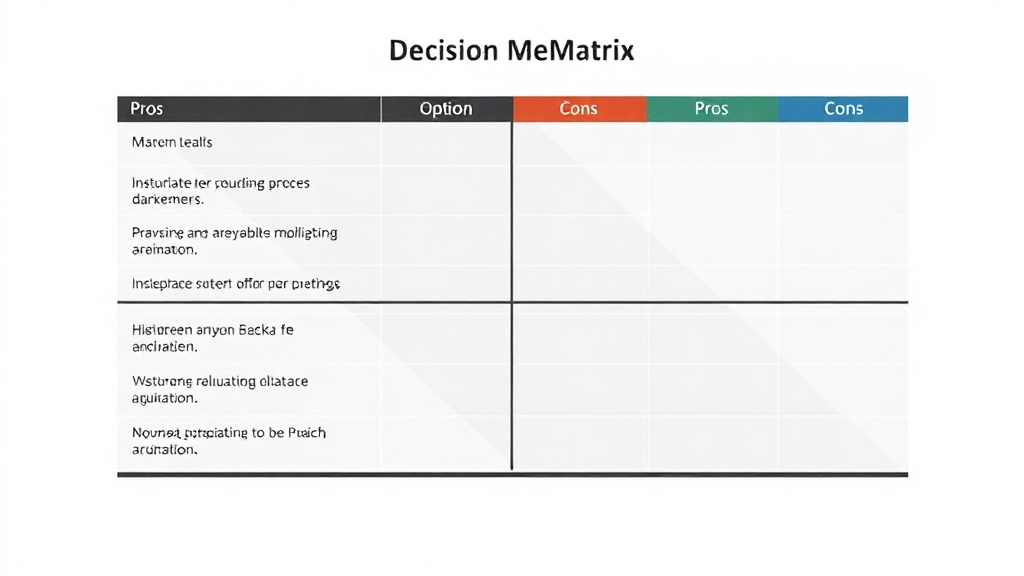
The Decision Matrix
Automate When:
High Volume, Repetitive Work
- Process runs 1,000+ times annually
- Work is rule-based with clear logic
- Error rates impact quality significantly
- Example: Invoice processing, data validation
Cost Amortization Favors Technology
- Automation cost < 3-year salary + benefits
- Process efficiency gains exceed 60%
- Example: 1 FTE task; $50K salary + 30% overhead vs $40K automation = automate
Speed & Quality Matter
- Sub-second response times required
- Consistency is competitive advantage
- Manual process introduces unacceptable delays
Predictable, Stable Process
- Process hasn’t changed in 2+ years
- Further change unlikely for 2-3 years
- Clear ROI timeline
Hire When:
Creative, Judgment-Based Work
- Decision-making requires business context
- Customer interaction is differentiated value
- Example: Sales strategy, relationship management, complex problem-solving
High Variability
- Process rules change frequently
- Edge cases require human discretion
- Automation ROI unclear or negative
Customer-Facing Value
- Personal touch drives revenue
- Talent is competitive advantage
- Example: Account management, customer success
Volume Justifies Headcount
- Work volume consistently exceeds 30+ hours weekly
- Growth trajectory supports continued hiring
The Hybrid Approach
Most enterprises should pursue a balanced strategy:
- Automate the routine (80% of process)
- Hire for the complex (20% of process requiring judgment)
Example: Hiring a Customer Success Manager supported by automation for:
- Ticket routing & initial responses
- Account health scoring
- Renewal opportunity flagging
- Standard documentation
This hybrid model improves margins while improving customer experience.
Financial Framework
Use this calculation to compare options:
Automation ROI = (Annual Hours Saved × Loaded Salary) - Automation Cost
                 ÷ Automation Cost

Hiring ROI = Revenue Generated per FTE - Total Compensation
Automate when ROI > 2.5x in year one; 4x+ by year three.
Organizational Maturity
Consider your organization’s automation readiness:
- Immature: 90% hire, 10% automate
- Developing: 70% hire, 30% automate
- Mature: 40% hire, 60% automate
As you mature, automation becomes the default strategy for routine work.
Questions to Ask
Before deciding on either path, ask:
- Will this function exist in 5 years?
- Can we articulate clear ROI?
- Are we hiring to solve a temporary spike or permanent need?
- What would freeing 100 hours monthly enable?
Making this decision strategically compounds over time. Let’s discuss the right approach for your organization’s specific challenges.
About This Article
This article is part of Grupo Cidelo's enterprise consulting insights series. We help organizations navigate complex transformations across business automation, enterprise sales, cloud infrastructure, and digital transformation.